What is Shodo?
Shodo (書道) is Japanese calligraphy. The word combines two characters: 書 — to write — and 道 — way. Literally, “the way of writing”.
What is Sumi?
Sumi (墨) is Japanese ink. Traditionally, it is pressed from soot and animal glue into solid sticks and ground with water on an inkstone (suzuri). In SumiFox, “sumi” also stands for an attitude: line, paper, trace, and concentration.
How sumi is made, from soot to ink stick
Material and movement
Shodo emerges from the interplay of brush (筆, fude), ink, paper, and breath. Ink density, pressure, speed, and empty space are all part of the work. A practiced brush movement leaves a trace that cannot be corrected afterwards.
Why does SumiFox start with Shodo?
Shodo connects material, meaning, and gesture in an accessible way. A single character can say a lot without becoming decorative. That fits our idea of calm, respectful presentation.
History, kanji and kana, and the script styles kaisho, gyōsho and sōsho
Expressive calligraphy
Beyond legible script, Shodo can also become physical trace and open image space. See 竹村千佳子 / Takemura Chikako as an example of this expressive, abstract direction.
See the current works or read about SumiFox.
Explore further
History, material, looking at works and choosing explained in depth:
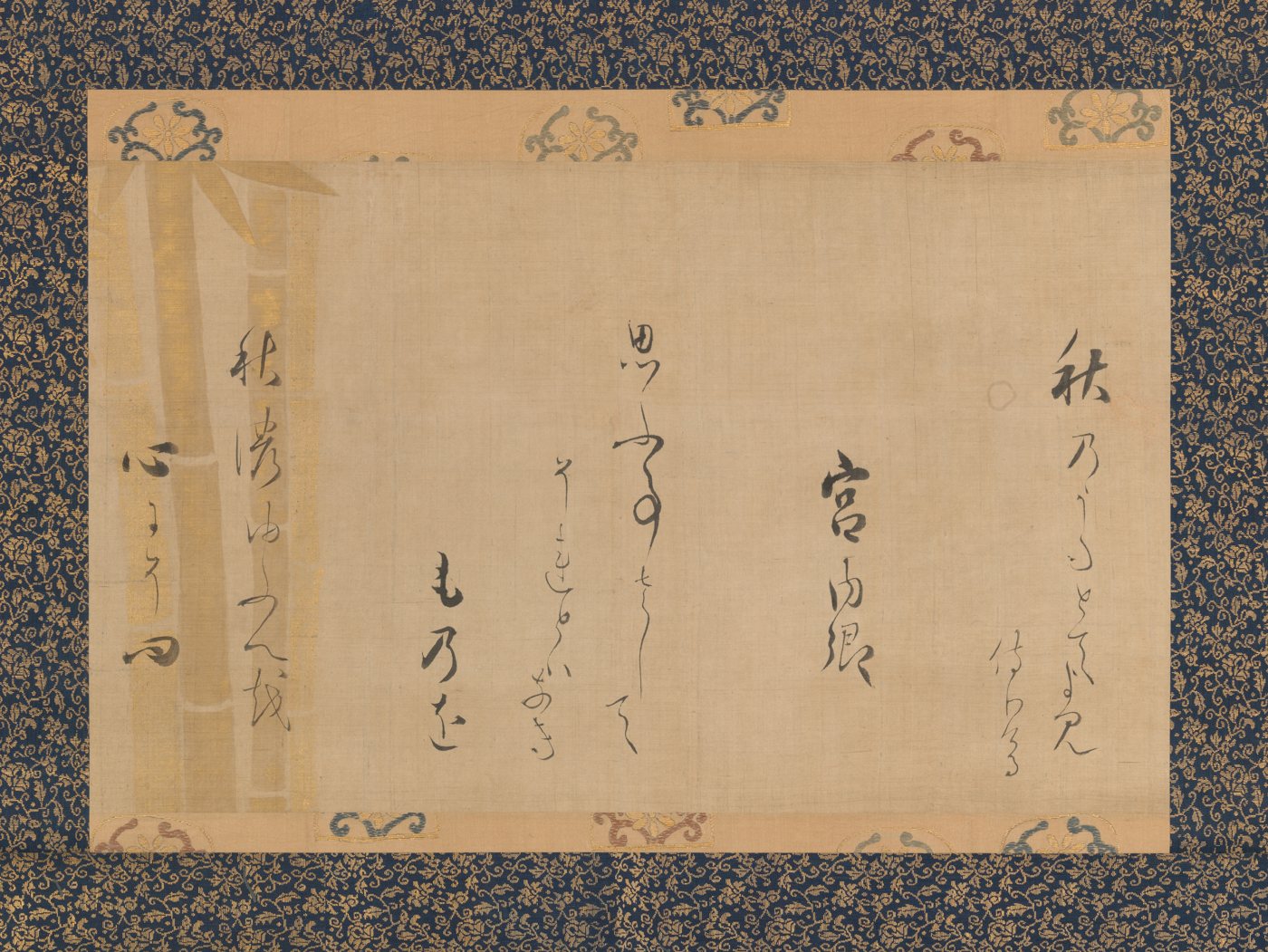
Understanding Shodō – history, script and artistic expression
Shodō (書道) is the Japanese art of writing with brush and ink. It builds on script adopted from China, developed its own forms with kana, and today ranges from classical practice to free, image-like works.
6 min read · Read article →
Sumi – material, making and use of Japanese ink
Sumi (墨) is East Asian ink made from soot and animal glue. Traditionally it is produced as a solid stick and ground with water on an inkstone. Nara has been Japan's main production centre for centuries.
6 min read · Read article →
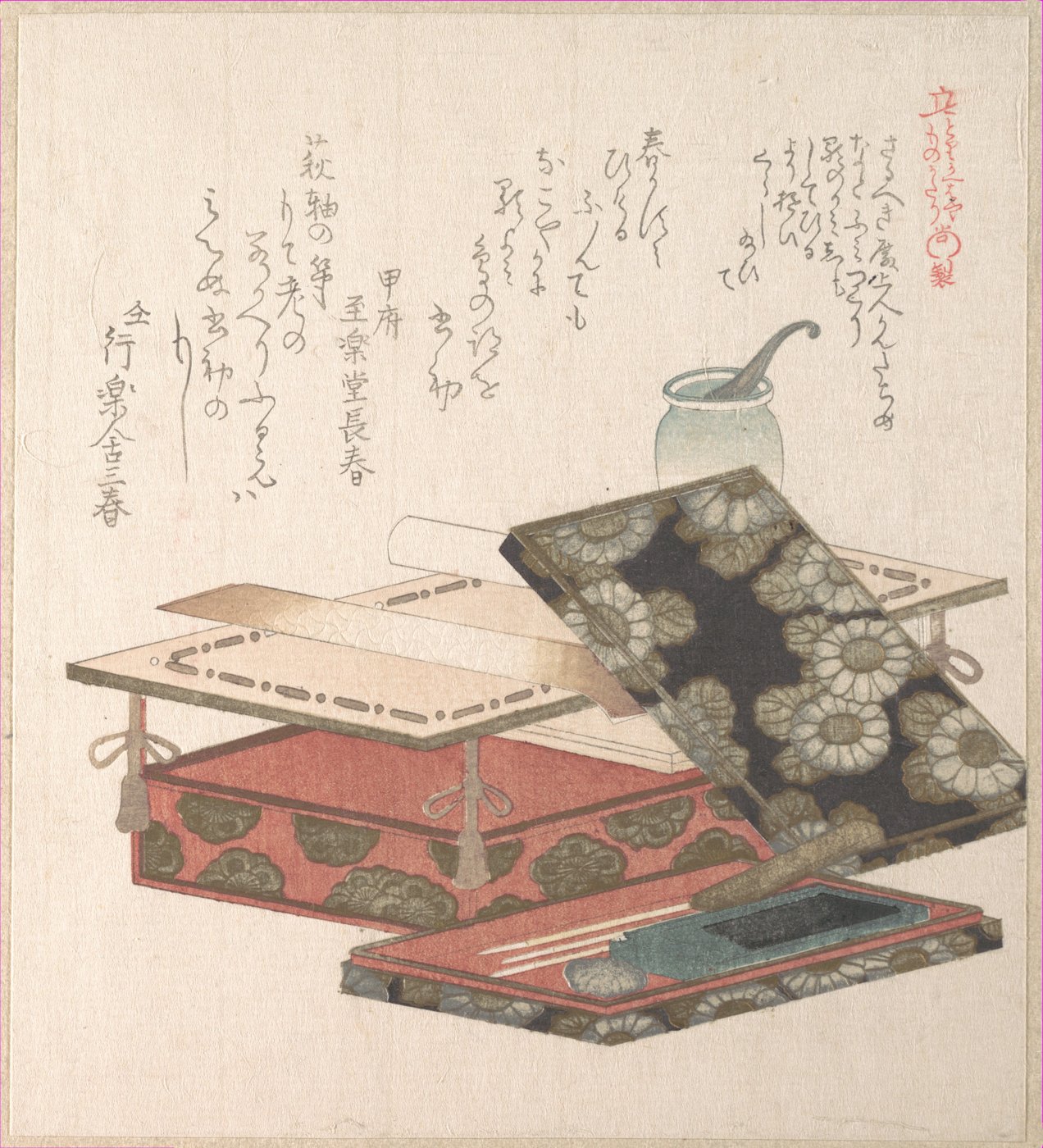
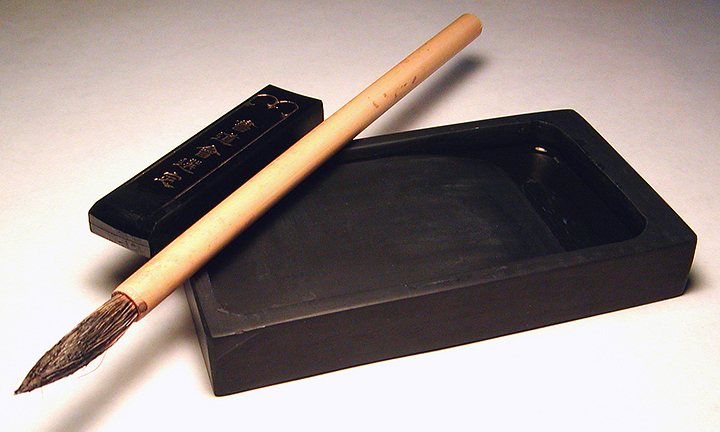
Brush, paper and inkstone – the tools of Shodō
Shodō works with four basic tools: brush, ink, inkstone and paper. Their interplay — how much ink the brush holds, how finely it is ground and how strongly the paper absorbs — decides what a line looks like. This article explains the tools; the ink itself is covered in the sumi article.
5 min read · Read article →
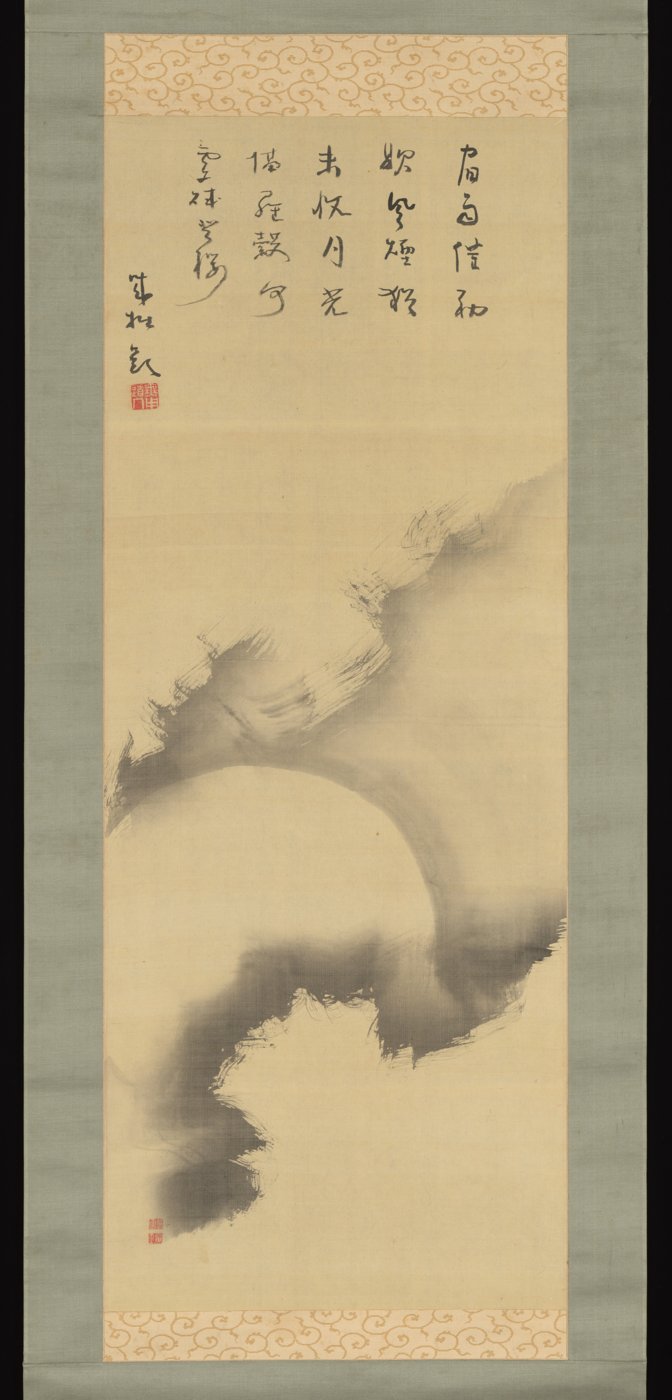
Looking at a Shodō work – character, line, rhythm and space
A Shodō work has three levels: what the character means, how it is read and how it is executed. Anyone can see the third level — in line, ink, rhythm and unwritten space. Two executions of the same character show how differently that can work.
4 min read · Read article →
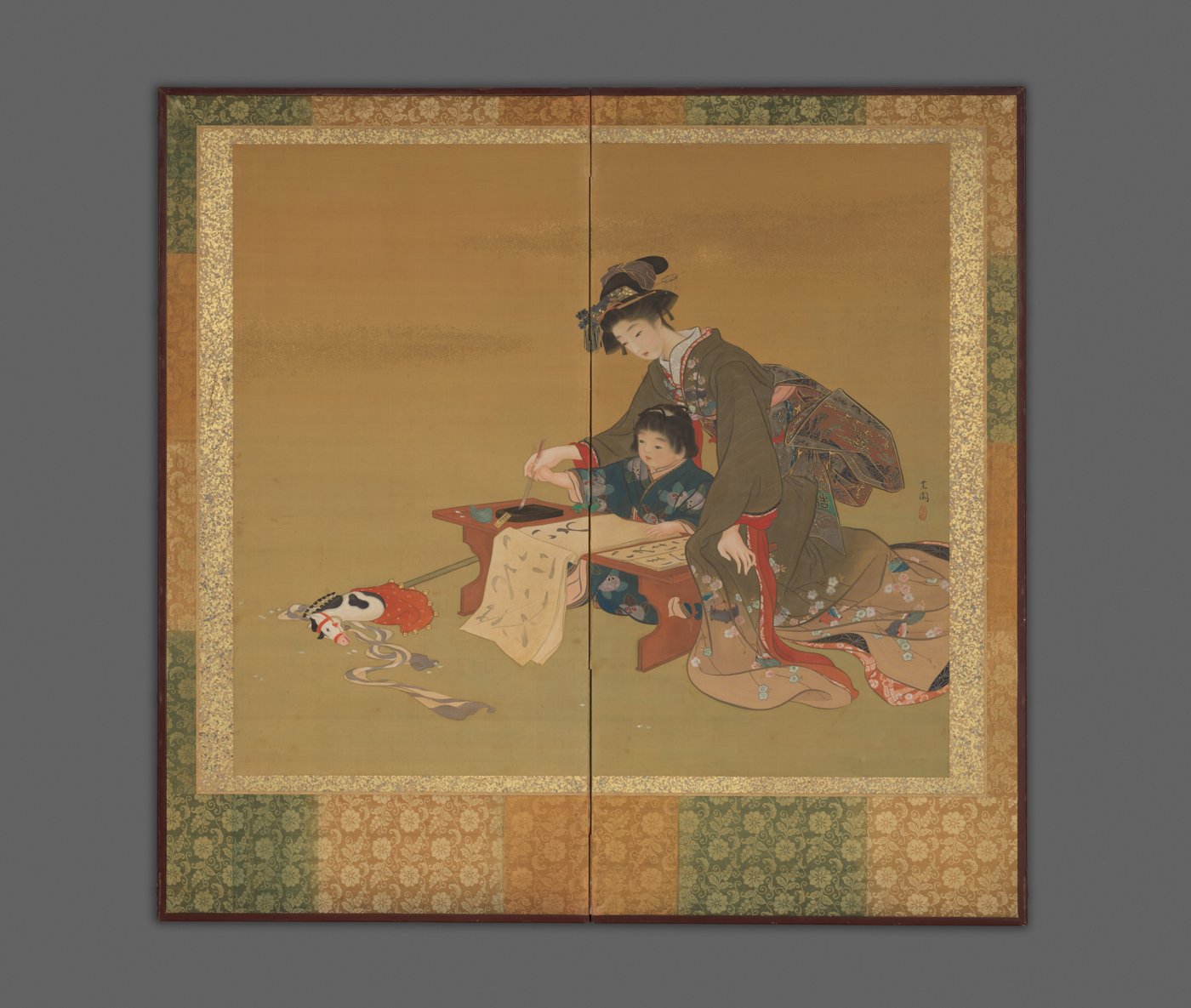
Calligraphy as a profession – teaching, exhibitions and commissions
People who work professionally with the brush today usually combine several activities: their own practice, teaching, exhibitions, commissions and sales. Historical learning paths such as practising after a model continue, but routes are diverse. Ranks and prizes signal visibility — not the only measure of artistic quality.
4 min read · Read article →
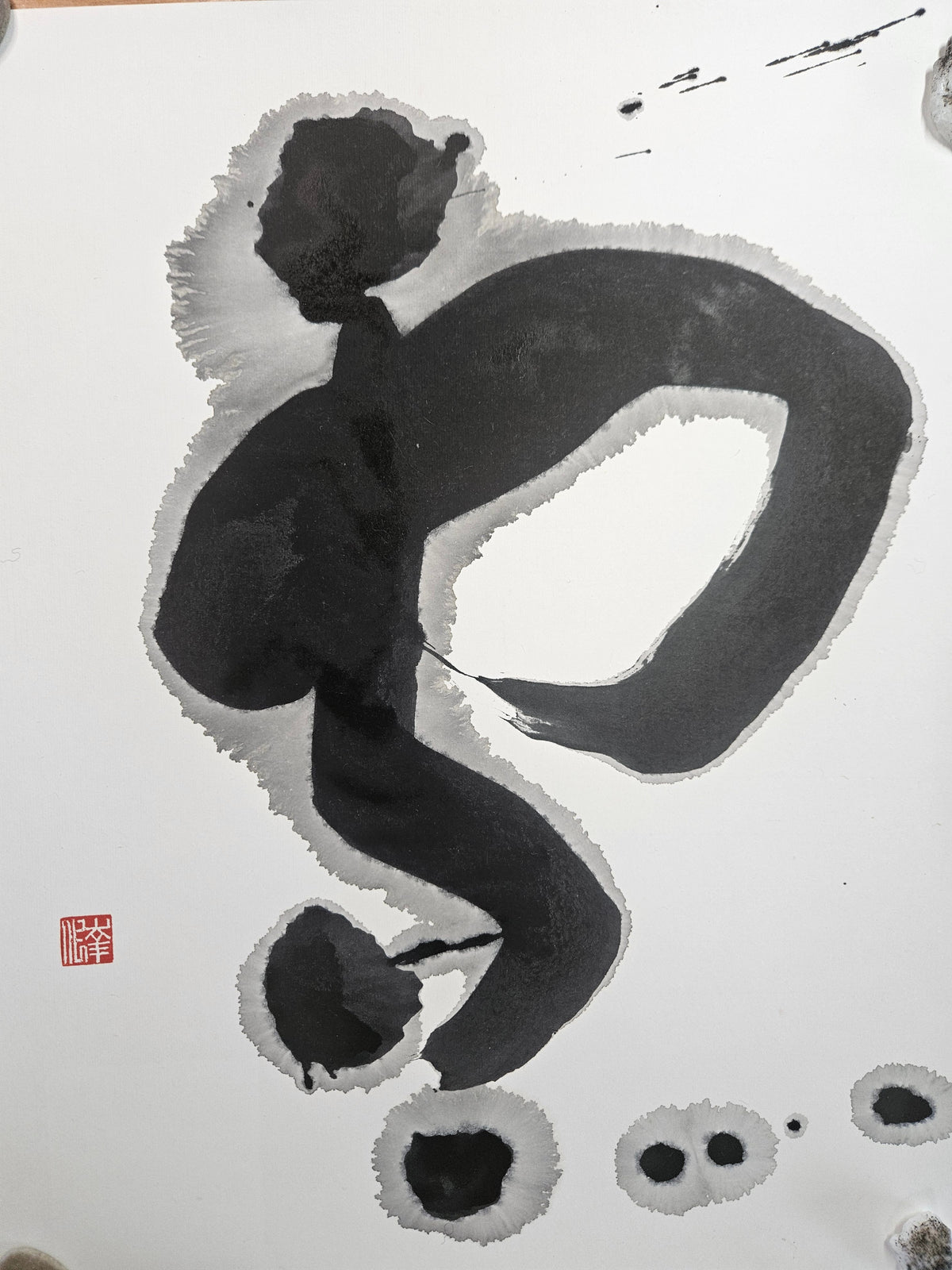
Choosing an original – provenance, condition, format and price
An original is a single hand-written sheet. Good bases for a decision are documented artist information, exact dimensions, openly described condition and an idea of where the work will hang. The price reflects work, format, career and mediation — it is not a statement about future value.
4 min read · Read article →